
If you understand one thing about coffee and roasting, make it this: roast level changes what you taste, but it does not work alone. The bean's origin, processing style, and your brewing method all matter, so the best choice is usually the roast that fits how you actually drink coffee, not the darkest or most expensive bag on the shelf.
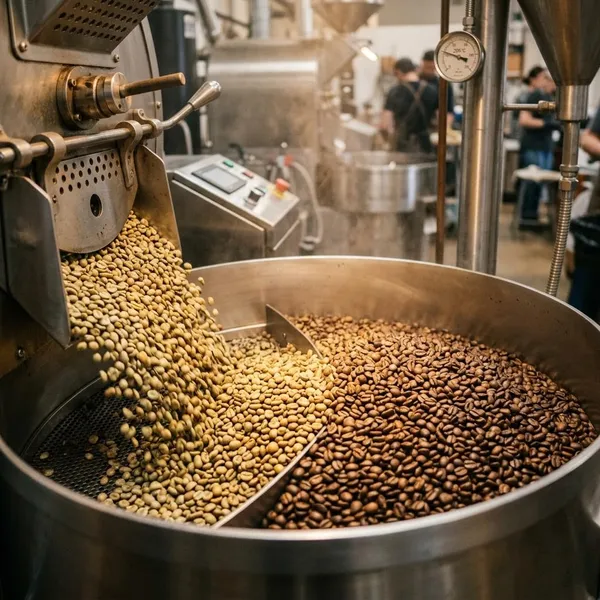
What happens during coffee roasting?
Coffee roasting turns dense, grassy green beans into brittle, aromatic beans that can be ground and brewed. Heat drives off moisture, changes sugars and acids, expands the bean, and creates the familiar coffee aromas that do not exist in raw green coffee.
Drying removes moisture from the beans
The roast starts by reducing moisture inside the green bean. At this stage the coffee may smell grassy or hay-like, and the main job is to heat the bean evenly before deeper flavor reactions begin.
If drying is rushed, the outside of the bean can take on heat faster than the inside. If it drags too long, the finished cup can taste dull. For home roasting, this is one reason a steady heat source and small, manageable batches are easier than trying to roast a large amount at once.
Browning develops color and aroma
During browning, the coffee starts to smell more like toast, nuts, malt, or caramel. This is where much of the sweetness and aromatic depth begins to form, mainly through browning reactions between sugars and proteins.
- Good browning: sweeter, rounder, more complete flavor.
- Rushed browning: sharper or underdeveloped taste.
- Over-extended browning: flat, baked, or muted coffee.
First crack signals a major development stage
First crack is the popping sound that happens when pressure builds inside the bean and the structure expands. It is a useful milestone because the coffee is now moving into a drinkable roast range.
Many light roasts finish during or soon after first crack. If you like bright filter coffee with citrus, floral, or berry-like notes, the way the roast is handled around this point matters a lot.
Roast development shapes the final flavor
Roast development is the time after first crack when the roaster decides how far to push the coffee. Shorter development tends to preserve more acidity and origin character; longer development usually adds body, deeper sweetness, and more roast flavor.
Second crack leads toward darker roasts
Second crack happens later and sounds finer and sharper than first crack. As coffee approaches this stage, acidity drops, bitterness increases, and flavors move toward dark chocolate, smoke, toasted sugar, or wood.
Once a roast goes deep into second crack, the roast style can dominate the bean's origin. That is not automatically bad. It can work well for someone who wants a bold espresso with milk, but it is usually the wrong direction if you are buying a delicate coffee because you want to taste its origin clearly.
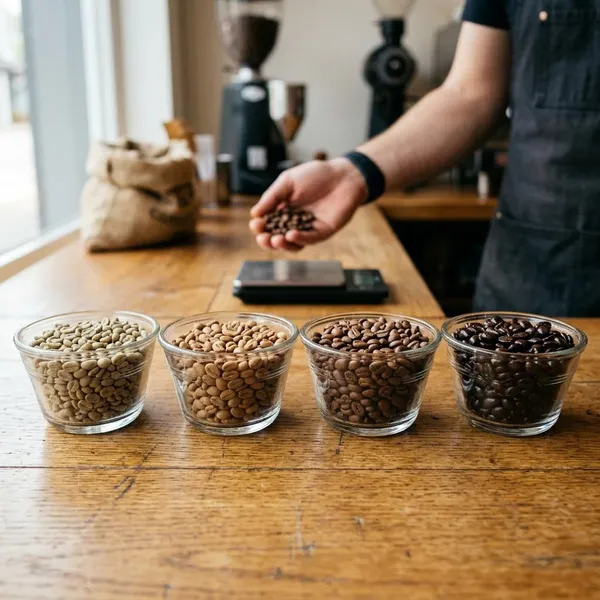
How do roast levels affect coffee flavor?
Roast level changes the balance between the bean's natural character and the flavor created by roasting. Lighter roasts usually show more acidity and detail, medium roasts aim for sweetness and balance, and darker roasts bring stronger roasted notes with more bitterness and lower perceived acidity.
Light roast for brighter and more distinct flavors
Light roast is best when you want clarity: citrus, berries, flowers, tea-like aromas, or a crisp finish. It is often the most interesting choice for pour over drinkers who enjoy comparing coffees from different regions.
The trade-off is that light roast can punish sloppy brewing. If the grind is too coarse, the water too cool, or the brew too short, it may taste sour and thin instead of bright and sweet.
Medium roast for balanced sweetness and acidity
Medium roast is the safest starting point for most people because it keeps some origin character while adding more caramelized sweetness and body. It can taste like cocoa, nuts, brown sugar, mild fruit, or caramel, depending on the bean.
| If your priority is... | Medium roast usually helps because... |
|---|---|
| One bag for several brew methods | It works reasonably well in drip, pour over, French press, and many espresso setups. |
| A shared household | It is less extreme than very light or very dark coffee. |
| Learning your taste | It gives a clear middle point for comparing lighter and darker roasts later. |
Dark roast for stronger roasted flavors and bitterness
Dark roast suits people who want a heavier, more traditional coffee flavor with lower acidity. It often tastes bittersweet, smoky, bold, or chocolatey, and it can work especially well with milk.
How to choose the right coffee roast
Start with the flavor you want, then check whether the roast fits your brewing method and routine. Labels such as "bold," "smooth," or "breakfast roast" can be vague, so tasting notes, origin, processing method, and roast date often tell you more.
Choose light roast for fruity and floral flavors
Choose light roast when the tasting notes mention citrus, berry, jasmine, stone fruit, tea, or bright acidity. This is a good match for someone who drinks coffee black and wants to notice small differences between origins.
It is less ideal if you want a low-effort morning cup from an inconsistent drip machine. Light roast can still work, but it usually asks for more attention to grind, water temperature, and brew time.
Choose medium roast for a balanced cup
Choose medium roast when you want sweetness, moderate acidity, and enough body without a heavy roasted taste. For everyday coffee, this is often the most practical option.
- Good for beginners: easier to brew well than many light roasts.
- Good for shared kitchens: less polarizing than very bright or very smoky coffee.
- Good for switching methods: flexible enough for drip, pour over, and French press.
Choose dark roast for bold roasted flavors
Choose dark roast if you like a deep, roasty cup or if you mostly make espresso drinks with milk. The coffee should still have some sweetness; burnt, ashy, or hollow flavors are signs the roast may have gone too far for your taste.
If you are moving from supermarket dark roast to specialty coffee, medium-dark can be a comfortable step. It gives you the fuller body you may be used to while leaving more room for chocolate, nut, or spice notes instead of only bitterness.
Consider the coffee origin and processing style
Origin and processing can change the result as much as the roast label. A washed Kenyan coffee roasted light may taste bright and blackcurrant-like, while a natural Ethiopian coffee may taste fruitier and heavier. A Brazilian coffee at medium roast may lean toward chocolate and nuts.
- Flavor notes: do they match what you actually enjoy?
- Roast level: does it support those notes or bury them?
- Brew recommendation: does the roaster suggest filter, espresso, or both?
- Roast date: is it fresh enough, but not necessarily roasted yesterday?
Which roast works best for different brewing methods?
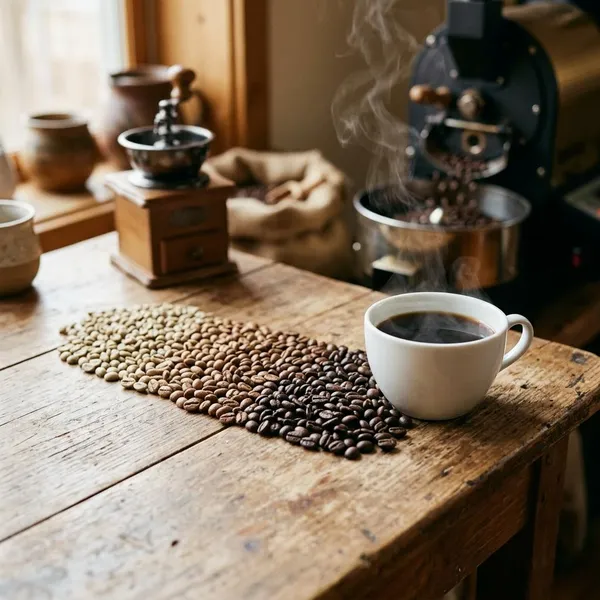
Brewing method matters because each method extracts coffee differently. Paper-filtered methods often highlight clarity, immersion methods bring more body, and espresso magnifies both sweetness and harshness. Roast level should make the method easier, not fight against it.
Light to medium roasts for pour over
Light to medium roasts usually shine in pour over because the paper filter and controlled pouring help show aroma, acidity, and detail. Choose light roast for more clarity and medium roast if you want more sweetness with less risk of sourness.
Medium roasts for drip coffee
Medium roast is often the best match for automatic drip coffee because many machines give you limited control. The coffee extracts more easily than a dense light roast and usually gives a sweet, familiar cup without much adjustment.
Medium to dark roasts for espresso
Medium to dark roasts are common for espresso because they tend to produce more body, crema, and concentrated sweetness under pressure. Darker profiles also hold up well in cappuccinos and lattes.
For straight espresso, medium roast can be more interesting, but it may need more careful dialing in. If the shot tastes sour, do not immediately switch beans; first check grind size, shot time, and dose.
Medium to dark roasts for French press
French press gives a heavier cup because the metal filter lets more oils and fine particles through. Medium to dark roasts often feel satisfying here, especially if you like chocolate, nuts, spice, or toasted flavors.
Light roast can work, but it is not the easiest choice for a relaxed weekend French press. If you want a low-fuss, full-bodied cup, medium or medium-dark is usually a better starting point.
Conclusion
The best roast is not a fixed answer; it is the point where the bean, roast level, and brewing method match the cup you want to drink. Start with medium roast if you are unsure, move lighter when you want more fruit and clarity, and move darker when you want body, lower acidity, and stronger roasted flavor. Once you know that preference, choosing coffee becomes much less random.