
The most costly coffee is not always the same coffee in every comparison. Black Ivory often leads normal luxury retail pricing, while rare Panama Geisha lots can make bigger headlines at auction. If you care most about flavor, Panama Geisha is usually the more convincing splurge; if you want rarity and story, Black Ivory or Kopi Luwak may be the name that catches your eye.
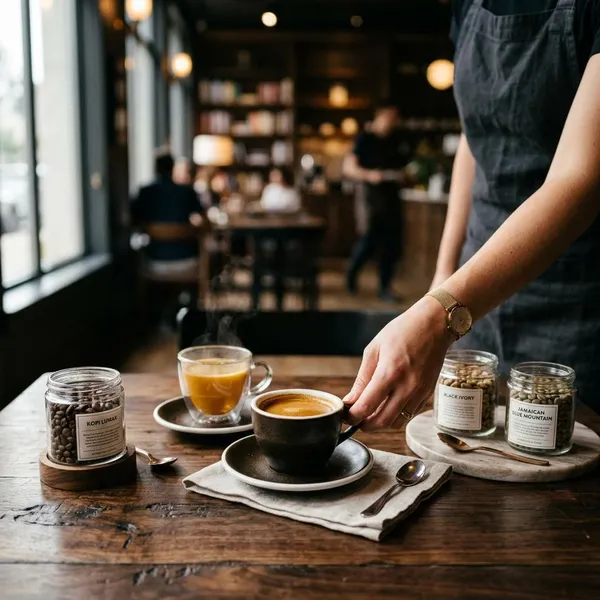
Most expensive coffees to know
The expensive coffee market is easier to understand if you separate auction legends from luxury retail coffees. Some beans cost more because they taste exceptional in professional cuppings. Others are expensive because production is tiny, the origin is protected, or the story is unusual enough to become part of the price.
Panama Geisha
Panama Geisha is the coffee to look at first if you want an expensive coffee that can justify its price through taste. The best lots are known for floral aroma, citrus, bergamot, tropical fruit, and a delicate tea-like texture that feels very different from a standard dark roast.
Black Ivory Coffee
Black Ivory Coffee is known for elephant-processed coffee from Thailand. Coffee cherries are eaten by elephants, then the beans are recovered, cleaned, processed, and roasted. The yield is very low, so scarcity is built into the product before branding is even considered.
This is usually a luxury experience rather than a sensible daily coffee. It can make sense for a special tasting, a high-end gift, or pure curiosity, but the buyer should check animal welfare claims and sourcing transparency before paying a premium.
Kopi Luwak
Kopi Luwak is the famous civet-processed coffee made from beans that pass through Asian palm civets after the animals eat coffee cherries. It is widely known, but it is also the coffee in this list where buyers need to be most cautious.
Prices vary widely, often from expensive souvenir level to much higher prices for better-documented wild-sourced lots. A low price, unclear sourcing, or dramatic marketing without proof should be a warning sign. If ethics matter to you, do not buy unless the seller explains how the coffee is collected and how the animals are treated.
Jamaica Blue Mountain
Jamaica Blue Mountain is expensive for a more traditional reason: limited origin, controlled standards, and a long-standing reputation for smooth, balanced coffee. It is not usually dramatic or wildly fruity. Its appeal is polish, consistency, and prestige.
This is a good choice for someone who wants a refined gift coffee without animal processing or auction hype. The main mistake is buying a "Blue Mountain style" product or blend while expecting the real thing. Look for certified origin and clear labeling.
St Helena Coffee
St Helena Coffee comes from a remote island in the South Atlantic, and that remoteness is a major part of the cost. Production is small, logistics are difficult, and the origin has a niche historical appeal.
Choose it if you enjoy rare single-origin coffees with a strong sense of place. Do not choose it expecting the loudest flavor in the luxury category; its reputation is more about elegance, scarcity, and origin story.
Hawaii Kona
Hawaii Kona is one of the most recognizable premium coffees because it comes from a small growing region on Hawaii's Big Island, where production costs are high and supply is limited. Good Kona is usually smooth, nutty, lightly sweet, and easy to enjoy.
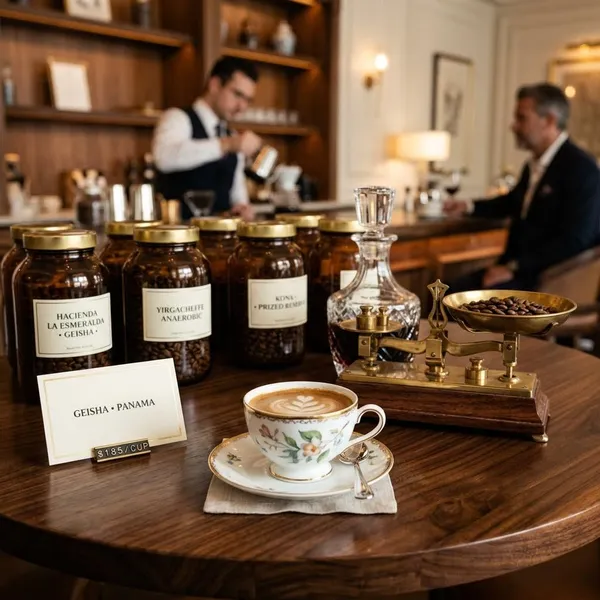
Why are some coffees so expensive?
High coffee prices usually come from several forces working together: tiny supply, difficult production, strong demand, and a story that buyers are willing to pay for. The important part is knowing which factor is actually driving the price, because not every expensive coffee gives the same return in the cup.
| Price driver | What it means for buyers | Example |
|---|---|---|
| Flavor quality | More likely to reward careful brewing | Panama Geisha |
| Unusual process | More about rarity and experience | Black Ivory, Kopi Luwak |
| Protected or limited origin | Worth checking authenticity closely | Jamaica Blue Mountain, Kona |
| Auction demand | Headline prices may not match normal retail | Record Geisha lots |
Extremely limited production
Some coffees cost more because there simply is not much to sell. A farm may release only a tiny micro-lot, an island origin may have limited growing space, or an animal-processed coffee may lose a large amount of usable yield during production.
Rare varieties and growing conditions
Variety and place can change everything. Panama Geisha became famous because the right genetics, altitude, climate, and farm handling can create a cup with unusually clear florals and fruit. Jamaica Blue Mountain and Hawaii Kona, meanwhile, rely heavily on origin reputation and limited growing regions.
Labor intensive harvesting and processing
Many expensive coffees require selective picking, careful sorting, slow drying, and smaller-batch handling. That adds real labor cost, especially when producers are trying to protect delicate flavors or remove defects before export.
Exceptional specialty coffee scores
In specialty coffee, high cupping scores can turn a small lot into a global prize. Roasters and collectors trust those scores as a signal of cleanliness, sweetness, complexity, and distinction.
This matters most for flavor-focused buyers. If you are spending a lot because you want the best taste experience, a coffee with strong competition results or transparent cupping information is usually a safer bet than a coffee sold only through a dramatic story.
Competitive auction demand
Auction prices can distort expectations. One record-breaking Panama Geisha lot does not mean every Geisha coffee costs that much, just as one famous wine sale does not define the price of every bottle from the region.
Brand reputation and exclusivity
Packaging, media attention, hotel partnerships, and luxury positioning can push prices higher than cup quality alone would. That does not make the coffee bad, but it changes what you are paying for.
Black Ivory vs Kopi Luwak vs Panama Geisha
These three coffees are compared often, but they are not expensive for the same reason. Black Ivory and Kopi Luwak are driven heavily by unusual animal processing and scarcity. Panama Geisha is driven more by flavor quality, auction demand, and specialty coffee reputation.
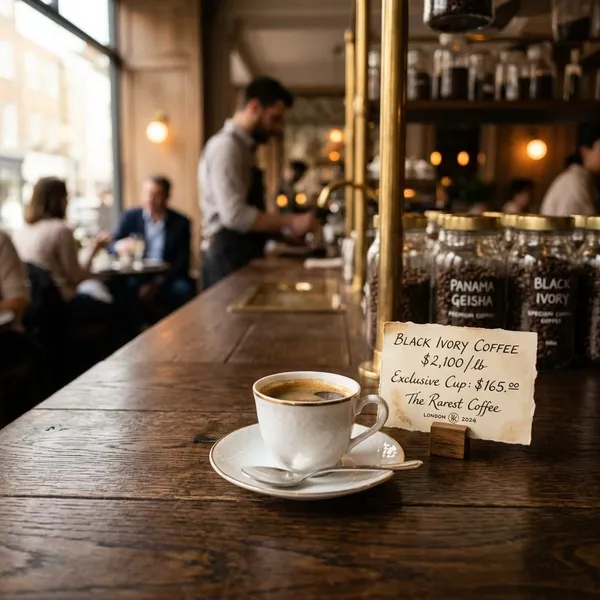
Black Ivory for elephant processed coffee
Black Ivory makes the most sense when the experience matters as much as the cup. It is rare, expensive, and unusual enough to feel like an event, especially for a tasting with friends or a luxury gift.
I would not treat it as the best value choice for someone who simply wants better coffee at home. The price includes scarcity, production difficulty, and prestige, so the flavor alone may not feel proportional to the cost.
Kopi Luwak for civet processed coffee
Kopi Luwak is the choice for someone specifically curious about civet-processed coffee, not for someone trying to find the best coffee per dollar. The category has too much variation in quality and too many welfare concerns to buy casually.
Before buying, check for clear sourcing, wild-collection claims that are explained rather than merely stated, and a seller willing to discuss animal welfare. If that information is missing, skip it.
Panama Geisha for specialty auction records
Panama Geisha is the name behind many of the most dramatic coffee auction records. Those prices are usually tied to tiny competition lots with strong reputations, not ordinary retail bags.
Panama Geisha for a quality driven luxury experience
For most flavor-focused drinkers, Panama Geisha is the easiest luxury coffee to justify. A well-roasted bag can give you a clear sensory payoff: florals, bright fruit, sweetness, and a clean finish that stands out in pour-over or other filter brewing.
A first-time buyer does not need to chase the most expensive auction lot. A smaller bag from a reputable roaster is usually a smarter way to learn whether this style is worth the money for your own taste.
Conclusion
The smartest luxury coffee choice depends on what you want the money to buy. Black Ivory is the better fit for rarity and a memorable story, Kopi Luwak demands the most caution because sourcing matters so much, and Panama Geisha is usually the strongest pick when flavor is the priority. If you check the price driver before buying, the world of expensive coffee starts to look less confusing and a lot less like pure hype.