
If you want to improve home security with better locks, start with the openings someone could reach and force quickly: main doors, side or garage doors, sliding patio doors, and ground-floor windows. A stronger lock helps, but only if the frame, strike plate, key control, and daily habits support it. The best first move is usually a solid deadbolt plus reinforced hardware on the doors you use most.
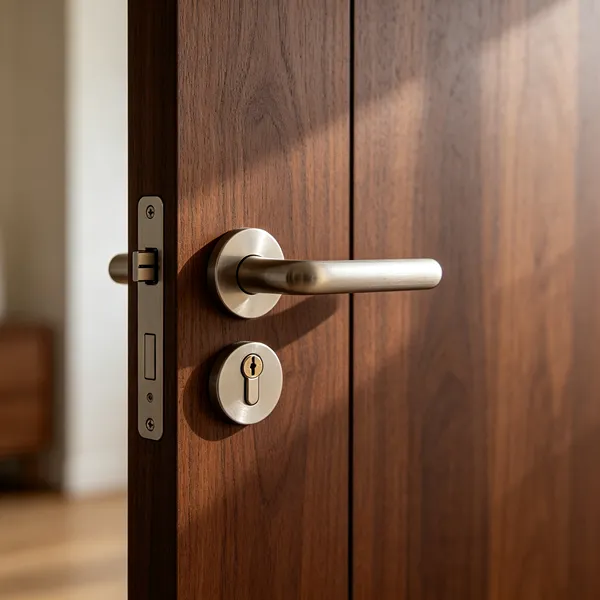
How to improve home security with better locks
Think of lock upgrades in layers, not as one expensive product that solves everything. A door with a good deadbolt but a weak frame is still vulnerable, and a strong lock does not help much if old keys are still floating around.
Upgrade exterior doors with strong deadbolts
A proper deadbolt should be the baseline for front, back, side, and garage service doors. Keyed knobs are useful for convenience, but they are not a substitute for a dedicated locking bolt that extends into the frame.
For most homes, a single-cylinder deadbolt is the practical choice because it locks from outside with a key and opens from inside with a thumb turn. If glass is close enough to the lock that someone could break it and reach in, ask a local locksmith or check local code before choosing a double-cylinder deadbolt, because emergency exit safety matters.
Reinforce strike plates and door frames
The frame often fails before the lock does. If the strike plate is held by short screws, replace them with longer screws that reach the wall framing behind the jamb, assuming the door construction allows it. A reinforcement plate or door jamb kit can also help on older doors, doors with cracks around the latch area, or rentals where the hardware has clearly been changed several times.
Secure sliding doors and accessible windows
Sliding doors and reachable windows need different thinking because their weak point is often movement, not just the latch. A patio door can be blocked with a track bar and protected from lifting with an anti-lift device. A ground-floor window used for airflow may need a vent stop rather than a lock that makes it inconvenient to open at all.
Rekey locks tied to old or missing keys
Rekeying is the quiet upgrade many people skip. If you moved in recently, lost a key, ended a roommate situation, changed cleaners, or gave contractors access, rekeying removes the risk of unknown copies without necessarily replacing the whole lock.
This is especially sensible when the existing lock body is still sturdy and works smoothly. If the lock sticks, wobbles, or has visible damage, replacement is usually the better use of money.
Add keyless access where it makes sense
Keyless access is worth considering when it stops bad habits. If your household hides a spare key under a pot, gives out copies often, or has kids coming home without a key, a keypad lock can make access easier to manage.
- Good fit: families, dog walkers, cleaners, short-term guests, or anyone who needs temporary access.
- Less useful: a rarely used door where batteries may be forgotten or a household that prefers a simple mechanical setup.
- Important check: the keyless lock should still have a strong deadbolt body, not just convenient electronics.
Which entry points should you secure first
If you cannot upgrade everything at once, do not spread your budget too thin. Secure the most reachable, most used, and least visible openings first. In many homes, that means front and back doors, then garage and side doors, then patio sliders, then selected ground-floor windows.
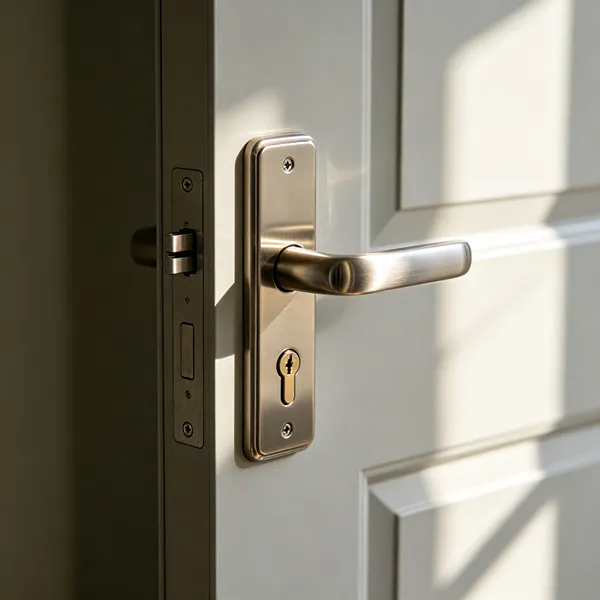
Front and back doors
Front and back doors deserve the first inspection because they are used every day and slowly fall out of alignment. Check whether the deadbolt slides in cleanly, whether the door feels solid, and whether the strike plate moves when you push the door.
Back doors often need the same or better hardware than the front door. They may be less visible from the street, left unlocked during yard work, or fitted with older locks because they are not the "main" entrance.
Garage and side doors
Do not treat garage and side doors as secondary if they lead into the home. A side door behind a gate or fence can give someone more privacy than the front door, so it should have a proper deadbolt and reinforced strike area.
Sliding patio doors
A sliding patio door should not rely only on its factory latch. Add a bar or rod in the lower track to stop sliding movement, then check whether the panel can be lifted upward in the frame.
If the door wobbles, drags, or has a loose track, fix that before assuming an accessory will do all the work. A security bar helps most when the door itself is seated properly.
Ground-floor windows
Ground-floor windows are not all equal. Prioritize windows that are easy to reach, regularly opened, or hidden from neighbors. A bedroom window facing a fenced side yard may deserve more attention than a small front window in clear view.
Best locks for exterior doors
The best exterior door lock depends on the problem you are trying to solve. If the door has weak physical resistance, start with a better deadbolt and strike plate. If too many people have keys, focus on rekeying, restricted keys, or keypad access. If people forget to lock the door, smart features may be useful.
| Situation | Lock choice that usually makes sense | Watch out for |
|---|---|---|
| Main door with basic hardware | Quality deadbolt with reinforced strike plate | A weak frame can cancel out the upgrade |
| Unknown or copied keys | Rekeying or high-security cylinder | Replacing the lock is not always necessary |
| Kids, guests, or service access | Keypad lock | Codes need to be changed when access ends |
| Often unsure if the door is locked | Smart lock with auto-lock or status check | Batteries, app security, and backup access matter |
How to secure sliding doors and windows
Sliding doors and windows need hardware that controls both movement and opening width. The goal is not to make them impossible to use; it is to stop easy sliding, lifting, or leaving a gap large enough for access.
Add a track bar to sliding doors
A track bar or solid security rod sits in the lower track and blocks the moving panel from opening. It is simple, visible, and effective even if the latch is weak.
Cut-to-fit dowels can work, but make sure the bar cannot be easily shaken loose and is not so inconvenient that people stop using it.
Add an anti-lift device to sliding doors
An anti-lift device limits how far the sliding panel can move upward in the frame. This matters on older doors with enough play for the panel to be lifted and pulled out of the track.
After installation, test the door from inside: it should slide normally but not lift enough to clear the track. If it still moves too much, the device may need adjustment or the door may need repair.
Install pin or sash locks on windows
Pin locks and sash locks add a firmer stop than many basic window latches. They are especially useful on double-hung or sliding windows that are reachable from the ground.
- Use pin locks when you want a simple physical stop.
- Use keyed sash locks where you want tighter control, such as a secluded ground-floor window.
- Repair loose frames first because extra hardware will not fix a damaged window.
Use vent stops on windows you open
Vent stops are helpful for windows you like to crack open for airflow. They limit the opening so you are not choosing between a fully locked window and a wide-open one.
This is a good option for bedrooms, bathrooms, kitchens, and laundry rooms where windows may be opened often. Choose a stop that is easy to release from inside, otherwise it may become another security feature people stop using.
Conclusion
Better locks improve home security most when they are matched to the real weak points of the house. Start with the doors and windows someone could use most easily, fix loose frames and strike plates, then choose deadbolts, rekeying, keypad access, or smart features based on the problem you actually have. A modest, well-used upgrade on the right entry point is usually more valuable than an expensive lock installed on a door the household forgets to secure.