
The best coffee beans for espresso are usually fresh whole beans with enough sweetness, body, and balance to taste good under pressure. For most home drinkers, a medium or medium-dark blend is the safest starting point; go darker for big milk drinks, or brighter if you enjoy modern, fruitier shots.
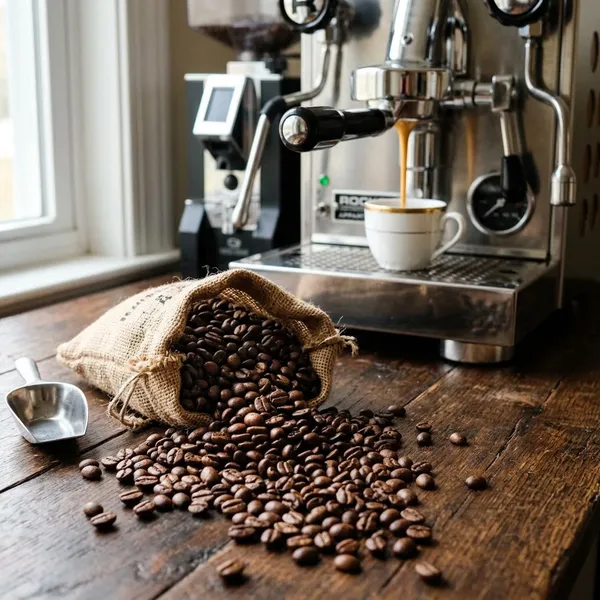
What are the best coffee beans for espresso?
If you want one practical answer, choose by how you drink espresso most often. A straight espresso drinker needs balance and clarity. A latte drinker needs body and flavor that can push through milk. Someone still learning should usually avoid very light, delicate coffees until the grinder and shot routine are more consistent.
Counter Culture Big Trouble for most drinkers
Counter Culture Big Trouble is the easiest all-round pick here because it sits in the middle: sweet, rounded, and not too sharp. It works well if you make a morning double shot some days and a cappuccino on others, which is exactly how many home espresso routines look.
illy Classico for smooth espresso
illy Classico makes sense when you want smooth, familiar espresso rather than something experimental. It is a lower-risk choice for a shared kitchen, an office machine, or anyone who prefers a polished café-style shot without strong acidity.
Lavazza Super Crema for rich crema
Lavazza Super Crema is a practical pick if you like a classic Italian-style espresso with a fuller-looking crema. Crema does not prove the coffee is excellent, but it does affect texture and gives the shot that creamy, familiar feel many people expect from espresso.
- Best for: everyday espresso, americanos, and casual milk drinks.
- Flavor direction: mild sweetness, light nuttiness, and low bitterness.
- Watch out for: older stock, especially if the seller does not show clear freshness information.
Partners Bedford for milk drinks
Partners Bedford is a better match for milk drinks than for someone chasing bright, delicate espresso. In a cappuccino or latte, chocolate, brown sugar, and deeper sweetness tend to stay present after milk is added.
This is the kind of bean I would choose for a household where most drinks are 6 to 10 ounces with milk. A fruitier coffee may sound more special on the bag, but it can disappear in a larger latte. Bedford's style gives the drink more weight and a more obvious coffee backbone.
Onyx Geometry for brighter shots
Onyx Geometry is for drinkers who want espresso to taste more modern: sweet, lively, and a little more complex. It can bring fruit, citrus, or layered chocolate notes without going fully into unpredictable single-origin territory.
The trade-off is that it asks more from your setup. If your shots are often sour one day and bitter the next, start with a more forgiving blend first. If you already adjust grind, dose, and yield comfortably, Geometry can be much more interesting than a classic dark espresso.
Peet's Espresso Forte for dark-roast flavor
Peet's Espresso Forte fits people who want bold espresso with a heavier roast character. It is especially useful in larger lattes, where a softer medium roast can get buried under milk.
What makes a coffee bean good for espresso?
A good espresso bean is not just strong coffee. Espresso magnifies flavor, so stale beans taste flatter, harsh beans taste harsher, and unbalanced beans become hard to dial in. The first things to check are freshness, flavor profile, body, and whether the beans are whole rather than pre-ground.
Fresh roasting improves flavor
Fresh roasting matters because espresso depends heavily on aroma and sweetness. Beans that have been sitting too long can still make a shot, but the result often tastes dull, papery, or bitter in a flat way.
A roast date is more useful than a best-by date. As a broad home-use range, many espresso beans taste best after a short rest and before they become several weeks old, though the exact window depends on roast level and packaging.
A balanced profile makes dialing in easier
Balanced beans are easier to work with because they do not punish every tiny mistake. If the shot runs a little fast or the yield is slightly off, a sweet medium or medium-dark blend may still taste pleasant.
Look for tasting notes such as chocolate, caramel, almond, nougat, or brown sugar if you want a safer starting point. Fruity and floral coffees can be excellent, but they usually need more precise grinding and puck prep.
Enough body creates a fuller shot
Body is the difference between an espresso that feels satisfying and one that tastes thin, even when the flavor is technically strong. Medium-dark blends often give more weight in the cup than very light roasts, which helps straight shots, cortados, and cappuccinos feel more complete.
Natural sweetness reduces harshness
Natural sweetness is one of the most useful signs on a bag of espresso beans. It does not mean the coffee will taste sugary; it means the bitterness and acidity are more likely to feel rounded instead of sharp.
Whole beans preserve aroma longer
Whole beans are the better choice for espresso because they keep aroma longer and let you adjust the grind. Pre-ground coffee locks you into one grind size, and espresso is too sensitive for that unless it happens to match your machine perfectly.
- Check first: whole beans with a roast date.
- Choose next: flavor notes that match your drink style.
- Avoid when possible: large pre-ground bags for daily espresso.
- Beginner move: start with a blend before trying demanding single origins.
Which espresso beans suit your preferred drink?
The right espresso bean changes once milk, water, or your own taste preference enters the cup. A bright coffee can be wonderful as a small black espresso and disappointing in a large latte. A darker roast can feel blunt on its own but useful when you want coffee flavor to survive eight ounces of milk.
| Drink you make most | Bean style to try first | Better to avoid at first |
|---|---|---|
| Straight espresso | Balanced medium blend | Very smoky dark roast |
| Cappuccino | Chocolatey medium-dark blend | Delicate floral coffee |
| Large latte | Darker roast with body | Thin, bright light roast |
| Flat white | Sweet medium roast | Overly bitter roast |
| Experimental shots | Fruity single origin or modern blend | Bulk coffee with no roast date |
How fresh should espresso beans be?
Espresso beans should be fresh, but not always brewed immediately after roasting. Very fresh beans can release a lot of gas, which may make shots unstable. Old beans lose aroma and sweetness. The useful target is fresh enough to taste lively, but rested enough to extract evenly.
Look for a clear roast date
A printed roast date should be one of your first checks. A best-by date tells you far less because it may be set many months after roasting.
Let very fresh beans rest briefly
Very fresh espresso beans often need a short rest. Many medium and medium-dark roasts settle after several days, while lighter roasts may need longer before they taste calm and sweet.
If shots gush, foam aggressively, or taste sharp even when your grind seems reasonable, the beans may simply be too fresh. Give them a little time before making big changes to your recipe.
Use opened beans within a few weeks
Opened beans are usually best used within a few weeks because oxygen slowly dulls aroma. They will not become useless overnight, but the shot can become flatter, thinner, and harder to dial in as the bag ages.
For daily espresso, this is where buying habits matter. A two-person household pulling several shots a day can finish a larger bag comfortably. A weekend-only espresso drinker is usually better off with a smaller bag.
Buy a bag size you can finish
Buy the amount that matches your actual routine, not the one with the best price per ounce. Bulk coffee only saves money if it still tastes good when you reach the bottom of the bag.
- Daily use: a standard bag may be easy to finish while fresh.
- Occasional use: smaller bags usually taste better over time.
- Testing a new bean: buy the smallest practical size first.
- Large bag: portion some away if you will not finish it soon.
Store beans away from heat and air
Store espresso beans in a sealed, opaque container in a cool cupboard. Keep them away from the oven, sunny counters, steam, and long exposure in a grinder hopper.
If you buy more than you can use quickly, split the bag into smaller portions and open only what you need. That one habit protects flavor better than constantly reopening one large bag.
Conclusion
Start with a fresh, balanced medium or medium-dark blend if you want the least frustrating path to good espresso at home. Move darker if your drinks are large and milky, or brighter if you already enjoy dialing in shots and want more fruit and acidity. The smartest choice is not the most expensive bag; it is the bean that fits your machine, your routine, and the cup you actually like drinking.